Keeping Projects Moving Through People and Leadership
People management and leadership skills are often discussed as separate areas, but in project delivery, they are deeply connected. Keeping projects moving is not only about timelines, resources, or processes. It is also about creating a working environment where people have clarity, support, and enough structure to do their best work.
There is something exciting about having visibility into multiple projects at once, and being able to influence
how they operate. From the outside, this role is not always easy to grasp, and I won’t pretend my friends could tell you exactly what I do day to day.
As a Delivery Operations Manager, my work is largely about noticing where clearer frameworks, a better operating rhythm, or more attention are needed so the system can run as a whole smoothly. Equally
important is preserving the human side of the process and making sure people remain engaged, balanced,
and supported along the way. In that sense, people management is built into how delivery works every day.
System-Level Efficiency in Everyday Work
One of my primary responsibilities is making the delivery side of the business more stable and transparent, so projects can move forward with clearer expectations and better support. Part of that means supporting Delivery Managers, ensuring they have the resources they need and allocating
those resources appropriately across projects. It also means working internally with Olivér Vetési (Account Delivery
Management Lead) and Gábor Kiss-Horváth (Head of Delivery) to develop and coordinate projects,
governance, and controlling processes. In other words, it partly falls to me to define how these mechanisms
actually work in practice.
The real value of my role lies in the fact that we are not trying to transform everything from one day to the next. We are not seeking to take the company from zero to a hundred. Instead, we work to introduce changes that are achievable, easy to follow, modular, and structured.
This is where leadership skills matter: knowing how to move things forward without overwhelming the people who need to work within the system.
The Three Layers of My Work
I would break my work down into three main areas. The first is operations: the things that simply need to happen to keep delivery stable. This includes regular meetings, resourcing meetings, team lead mentoring, and continuously monitoring whether each project has the right number of people assigned to it each week. These are the fixed points in my calendar.
Having adequate resources on every project is essential. In practice, that means syncing with the HR team on a weekly basis, participating in interviews, and making decisions about hiring and allocating new people. It also helps to be comfortable with handling urgent issues, because that comes with the territory.
The second layer is handling ad hoc, unexpected situations. These cannot be fully planned for, yet they are a natural part of everyday work. They require quick decisions, prioritisation, and constant re-planning.
The third area is project-based operations development. I treat this as ongoing, planned work: month by month, I focus on making the foundational processes, rules, and expectations that support delivery more consistent and transparent. This includes but is not limited to: :
- supporting HR in standardising job descriptions,
- refining soft skills and training expectations,
- and writing utilisation and timesheet policies.
I also work on larger process improvements where existing ways of working are not efficient enough, or where no proper process was in place to begin with. These improvements are closely connected to project management, but they also depend on strong people management, because a process is only effective when it is clear, understood, and adopted by the people behind it.
Working for the Team
I am the kind of person who moves through different phases within a single day or week. I love creative, ambitious projects that can deliver meaningful results, but I also enjoy switching off with more administrative tasks. The two probably strengthen and support each other. I work best when I am not surrounded by just one type of task.
By nature and through experience, what I enjoy most is working with people. It is the best part of my job: supporting them in solving their problems, helping them grow, and seeing how far they have come from where they started. For me, this is the heart of people management: helping others move forward while also making sure the system around them becomes clearer and more supportive.
When I look back over a six-month period and see how far we have come, the question that matters most to me is no longer if there are fewer problems. What matters far more is whether my colleagues feel supported, whether the way of working has become clearer, and whether the progress we have made together is authentically visible.
This is the result of a shift in perspective for me. I used to lose motivation because I wanted to move forward in unrealistically large steps. Then something changed:
I stopped asking where we should already be, and started looking at how far we had come since last week or last month. That makes a lot of things easier to get through.
Looking back with a calmer mind at what we have achieved at Abylon is genuinely remarkable.
None of this would be possible without the fantastic group of people who keep my spirits up every single day. We are not just hitting targets; my work has a direct impact on people, and that means everything to me.
Conflict Management Through Clear Communication
Conflicts arise from time to time within any system, and they need to be handled. Interestingly, I am someone who tends to avoid conflict by nature, but that does not mean I shy away from it when it appears. Rather, I try to do everything in advance to prevent conflict from arising in the first place, and if it does arise, to be present in it from a fair and grounded position.
With that in mind, I am a firm believer in transparency and straight talk. My leadership development training strengthened my understanding about assertive communication, which helps me give feedback in a way that is constructive rather than hurtful. These kinds of leadership skills are essential in a role where clear communication can prevent misunderstandings, reduce tension, and help people feel more secure in their work.
I try to frame my observations carefully and always leave room for the other person to respond. In my experience, more often than not, people truly acknowledge the point I am trying to make.
I have a slightly Coelho-esque motto that still means a great deal to me:
Hope for the best, prepare for the worst.
That is how I try to walk into a conflict.
The Importance of Invisible Work
There is a less visible side to my current role. Many of the tasks that fall to me are fundamental to everyday operations, yet they are not always easy to see from the outside. These include resourcing strategy, capacity tracking, shaping timesheet and utilisation policies, coordinating AI policies and licences, and supporting team leads. These things do not necessarily produce visible results every single day, yet they would be missed very quickly if no one were keeping them moving.
When it comes to visibility, what matters is that the people involved understand what is moving forward, what has stalled, and what is needed for the system to keep going. My background as a Business Analyst is a significant help here, because I am used to delivering strong status updates.
There are areas that would become painful if the less noticeable aspects of my work were left undone. But I come from a mindset where my managers taught me to always make myself replaceable, not because that diminishes the value of my role, but because in a healthy organisation, critical knowledge should not live in one person’s head, and there should be no bottleneck if someone is due for a promotion. These are also mature leadership skills: building systems where knowledge is shared and progress does not depend on one person alone.
Who Is This Role For?
This work suits someone who can multitask, who is not thrown off by constantly shifting priorities, and who already has experience working in organisations. You need a reference point for what makes a system work well, and a real motivation to make things better. It is a role for someone who can hold structure and people in focus at the same time, and who understands that good leadership is often built through everyday decisions, conversations, and small improvements.
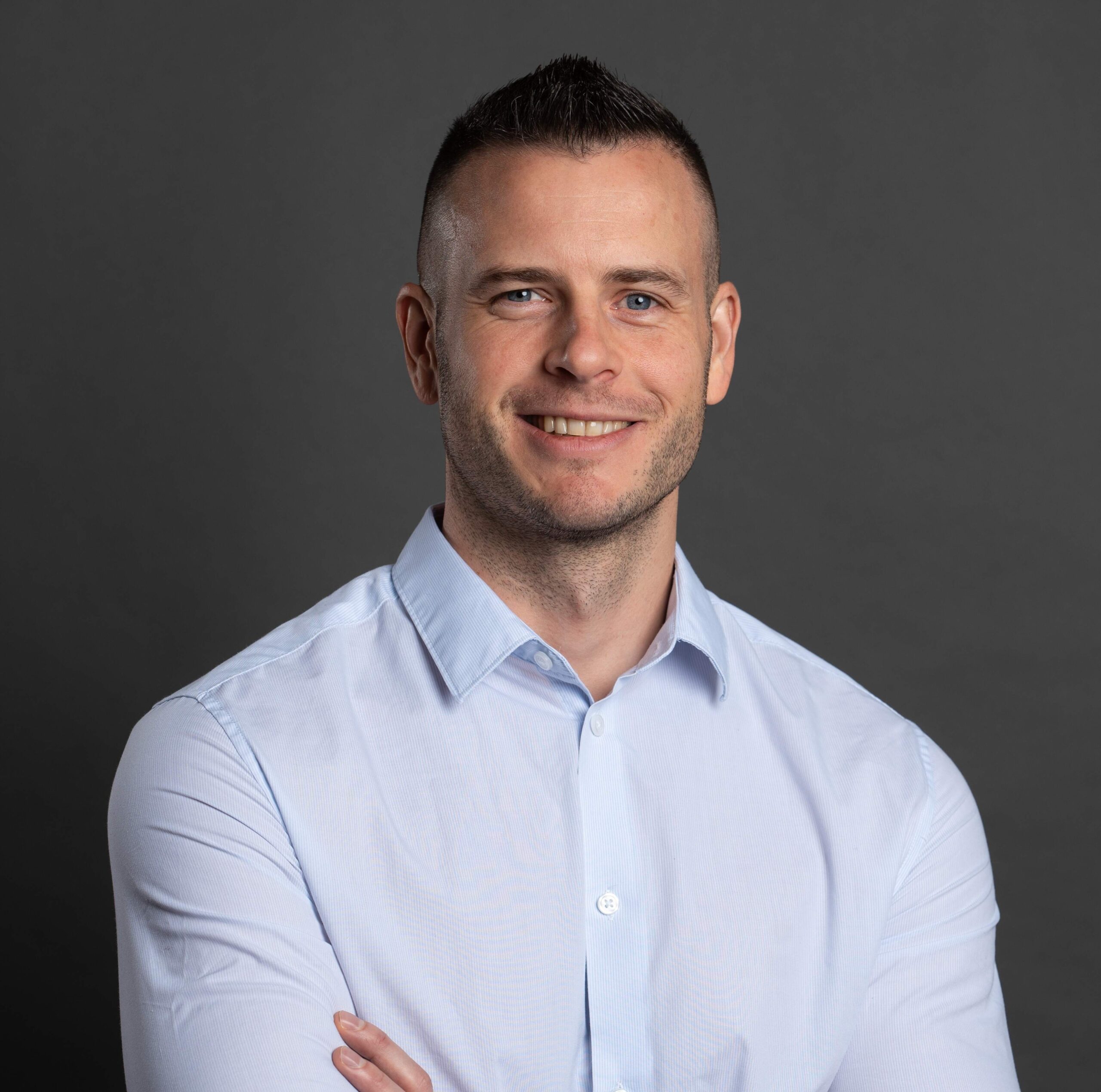
Author of the post:
István Kovács - Delivery Operations Manager at Abylon Consulting. Linkedin Profile